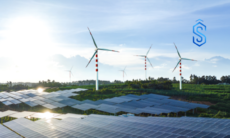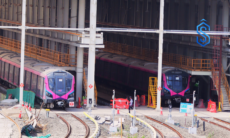

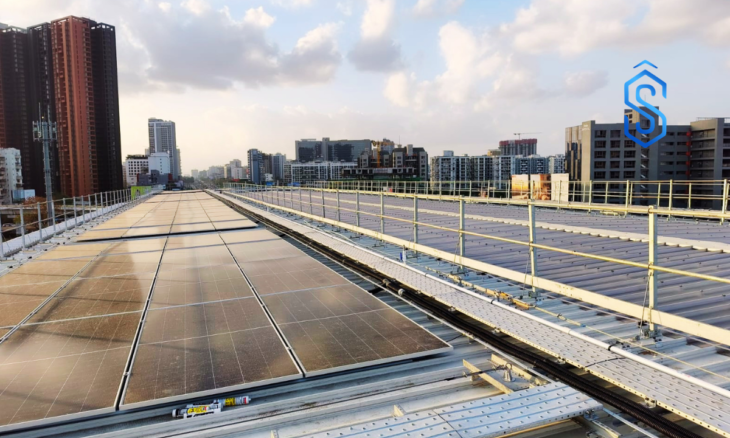
Pune Metro Line 3 is set to meet nearly one-third of its total energy requirements through renewable power generated from a 7.67 MWp rooftop solar power system being developed across all 23 metro stations and the metro depot, making it one of the largest solar-powered urban transit initiatives in the region.
In a significant step towards clean energy generation, Pune Metro Line 3 developer Pune IT City Metro Rail Limited (PITCMRL) has installed rooftop solar plants at nine metro stations and the depot over the last three months.
These stations are scheduled to be part of the first phase of commercial operations.
The complete rooftop solar network will span all 23 metro stations and the depot, enabling Pune Metro Line 3 to generate renewable energy directly from station rooftops and depot buildings.
Once fully operational, the installations are expected to produce around 1 crore units (14 million kWh) of clean electricity annually.
The renewable energy initiative will significantly reduce dependence on conventional power sources while lowering the overall carbon footprint of Pune Metro Line 3.
By generating electricity at its own facilities, the metro corridor is also expected to reduce its long-term operating costs through lower reliance on grid electricity.
Also Read: Pune Metro Line 3 to Introduce 750V DC Third-Rail Electrification System
According to the project, nearly 33 per cent of the total energy demand of Pune Metro Line 3 will be met through solar power once the entire system becomes operational.
The initiative aligns with India’s broader renewable energy objectives and demonstrates how large-scale urban transport infrastructure can integrate clean energy into daily operations.
The 23-kilometre Pune Metro Line 3 corridor connecting Hinjewadi IT Park and Shivajinagar has been designed with sustainability as one of its key priorities.
In addition to the rooftop solar power system, the corridor incorporates advanced technologies including 750 V DC third-rail electrification, Communication-Based Train Control (CBTC) signalling, and energy-efficient rolling stock, further strengthening its position as a next-generation mass rapid transit system.
Earlier, Pune Metro Line 3, also known as the Puneri Metro, successfully completed end-to-end trial runs across its fully elevated 23-km corridor, marking a major milestone before the commencement of commercial operations.
The metro line has now entered its final phase of readiness and is awaiting the required statutory approvals and regulatory clearances.
The project will be commissioned in phases. During the first phase, the 13.3-kilometre section between Maan and R. K. Laxman Museum, comprising 12 stations, will be opened for commercial operations.
In the subsequent phase, the corridor will be extended to District Court, enabling integration with the Maha Metro network.
Once fully operational, Pune Metro Line 3 is expected to significantly improve urban mobility by reducing travel time between Shivajinagar and Hinjewadi to around 45 minutes, compared with the current travel time of approximately 1.5 hours, reducing commute duration by more than 50 per cent.